
To help reduce food bills, more people are looking at easy ways to grow some of their own fruit and vegetables at home. The good news is that you don’t need a large garden, expensive equipment, or hours of digging to get started.
Volunteers at Saltash Community Allotment have shared these simple, low-cost ideas to try...
If you don’t have much space, container gardening is a simple and flexible way to start growing your own fruit and vegetables at home.
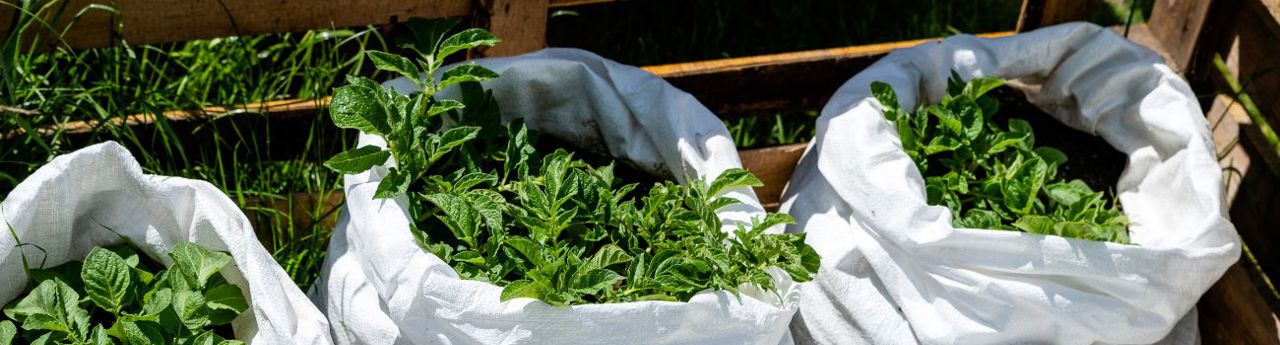
Many crops can be grown in containers, old compost bags, coffee sacks, or large grow bags. This makes it easy to grow food on patios, balconies, doorsteps, or in small gardens.
We have had great success growing root vegetables and tubers this way, and potatoes do particularly well in large dumpy bags.
Any container can be used as long as it is deep enough for your chosen crop and has drainage holes in the base.
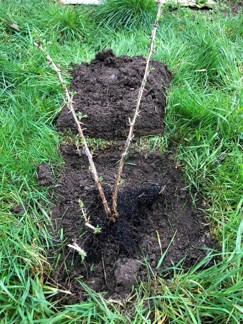
Fruit bushes are one of the easiest and best-value options for home growing. They are also easier to harvest from if you want to avoid too much bending. Berries and other soft fruits can be expensive to buy in supermarkets, so it’s worth growing some at home.
Try blackcurrants, gooseberries, and redcurrants - all are easy to maintain, suitable for smaller gardens, and packed with vitamins. Honeyberries are another good option and are less fussy than blueberries. These fruits also freeze well, and a handful on top of your cereal in the morning is a great way to add extra nutrients to your diet.
Once established, bushes can produce fruit for many years with very little effort. A sunny spot, regular watering in dry weather, and a mulch of cardboard and compost around the base will help them thrive.
You don’t need to transform your whole space at once. A single container, a small raised bed, or one fruit bush is enough to get started and help reduce shopping bills.
Email: info@cornwallhousing.org.uk
Telephone: 0300 1234 161