We are so used to using electricity that it’s easy to overlook the risks. If electrical systems or appliances are unsafe they can be the cause of fires or dangerous electric shocks.
Every year approximately 70 deaths and 350,00 injuries in UK homes are caused by faulty electrics and electrical equipment. Almost half of all domestic fires are caused by electricity.
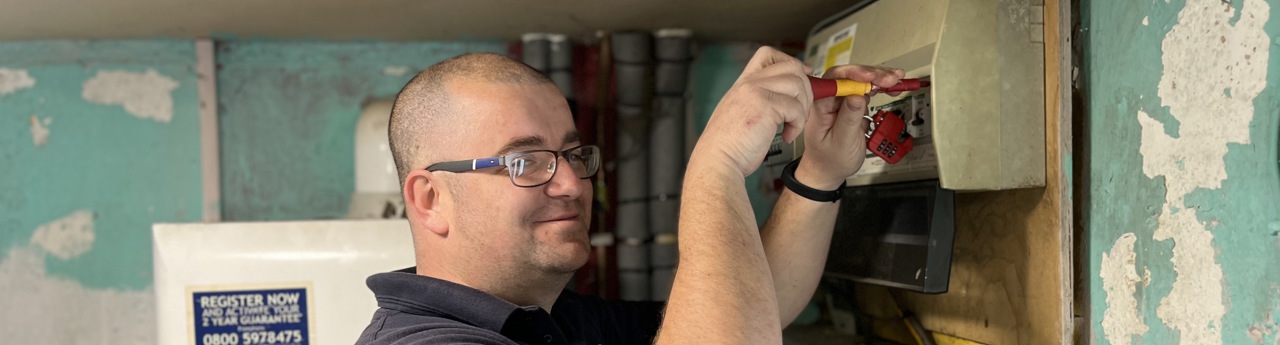
Undertake regular electrical inspections – we will complete an Electrical Installation Condition Report (EICR) every five years to check that your electrical system is safe in your home. Where repairs are identified, we will arrange for any necessary remedial works.
Smoke alarms – We install and maintain smoke alarms installed within your home. Please test them regularly and report any faults to us straight away.
DIY attempts are the cause of half of the significant electric shocks, and it’s important that a suitably competent and qualified electrician does any work. Unsafe attempts to extend or change the electrics could cause a fire or shocks and be a danger to you and your family. It is important that you seek permission before proceeding with any alterations to the electrical system within your home.
You can find more information here:
This is the Electrical Inspection Condition Report that we are required, by law, to check every five years as part of the electrical safety check.
During the visit, the electrician will need to:
· Access all rooms and electrical points (e.g. sockets, light fittings, switches and the consumer unit)
· Carry out a hundred percent visual inspection on all electrical points
· Test all electrical circuits
· Temporarily switch off the power while testing is carried out
Please ensure clear access is available to all electrical points so the inspection can be completed.
‘A consumer unit’ - is the same as a fuse box and is used to distribute electricity throughout your home and contains safety devices (circuit breakers).
‘Circuit breakers (MCB’s, RCBO’s, AFDD’s)’ - a circuit breaker in the consumer unit will automatically switch off power to a circuit if there is a fault.
‘Fuses’ - Older homes often have rewireable fuses which automatically disconnect the circuit to prevent danger when a fault or overload current goes above a safe level.
Do’s
· Keep your electrical check appointment – contact us if you are finding it difficult and need a special arrangement because of work or caring commitments.
· Ask for permission to make an electrical installation or change. This includes a car charging point, outside socket, or jacuzzi or hot tub.
· Regularly test your smoke alarms.
Don’ts
· Drill holes or hammer nails into the wall without knowing what’s behind it.
· Overload sockets or use multiple extension leads together.
· Use extension leads for high-load equipment such as heaters or EV charging.
For more information about how to tell if you are overloading sockets, and for safety advice, go to https://www.electricalsafetyfirst.org.uk/overloadingsockets
· Switch off the power at the consumer unit if it is safe to do so
· Do not touch damaged equipment
· Contact us immediately
· If there is immediate danger, call 999
· Frequent tripping of circuit breakers
· Flickering or dimming lights
· Burn marks or buzzing from sockets or switches
· Sockets or plugs that feel hot
If you notice any of these signs, please report them to us as soon as possible.
If your neighbours are also without power, it may be a local power cut. Check with your electricity network operator (National Grid) by calling 105.
If the issue is only in your home, please report it to us.
For further information on electrical safety and good practice, you can refer to guidance published by Electrical Safety First.
This includes a range of Best Practice Guides used across the industry, which provide independent advice on electrical safety in homes.
You can view these here:
https://www.electricalsafetyfirst.org.uk/professional-resources/best-practice-guides/
Email: info@cornwallhousing.org.uk
Telephone: 0300 1234 161